Close Menu
Keep Up with USA Daily Hunt UpdatesKeep Up with USA Daily Hunt Updates
  • Home
  • USA
  • World
  • Business
    • CEO
    • Realtor
    • Founder
    • Entrepreneur
    • Journalist
  • Health
    • Doctor
    • Plastic surgeon
    • Beauty cosmetics
  • Sports
    • Athlete
    • Coach
    • Fitness trainer
    • Entertainment
  • Finance
  • Politics
  • Science
Friday, December 26
Trending
  • Bliss Heers: A Story Still Being Written
  • THE RUNNING DAD WHO INSPIRED A COMMUNITY
  • From Passion to Purpose: The Inspiring Life Journey and Success Story of Evan Barbosa
  • Leslie Kritzer, Co-Founder of Skin Worship, on Building a Brand Rooted in Devotion, Resilience, and Skin Wisdom
  • LESLIE KRITZER: THE SKIN WARRIOR BEHIND SKIN WORSHIP A JOURNEY OF BEAUTY, RESILIENCE & WHOLE-SELF WELLNESS
  • Unbroken Spirit: The Life Journey and Triumph of Monica Seles
  • THE FULFILLED PHARMACIST: A JOURNEY OF HEALING, EMPOWERMENT & PURPOSE
  • PETER KATER: A LIFE IN MUSIC HEALING HEARTS ONE NOTE AT A TIME
Keep Up with USA Daily Hunt UpdatesKeep Up with USA Daily Hunt Updates
  • Home
  • USA
  • World
  • Business
    • CEO
    • Realtor
    • Founder
    • Entrepreneur
    • Journalist
  • Health
    • Doctor
    • Plastic surgeon
    • Beauty cosmetics
  • Sports
    • Athlete
    • Coach
    • Fitness trainer
    • Entertainment
  • Finance
  • Politics
  • Science
Keep Up with USA Daily Hunt UpdatesKeep Up with USA Daily Hunt Updates
Home » News » Salmon are swimming faster due to painkillers and other drugs dumped into water: study
USA

Salmon are swimming faster due to painkillers and other drugs dumped into water: study

Emily CarterBy Emily Carter USA
Share
Facebook Twitter LinkedIn Pinterest Email

The wild salmon is swimming faster due to analgesics and other drugs thrown in the rivers and the sea, reveals a new investigation.

The traces of a sleeping pill shortened the time he played so that the youth salmon would navigate through two hydroelectric dams along his regular migration route that always slows the trip, scientists say.

CLOBAZAM-A often prescribed medication levels for sleep disorders, as well as the success of river migration to the ground of youth salmon in nature, according to the findings of his son’s biggest study.

An international team of international researchers, led by the Swedish University of Agricultural Sciences, investigated how pharmaceutical pollution affects the behavior and migration of Atlantic salmon in danger of extinction.


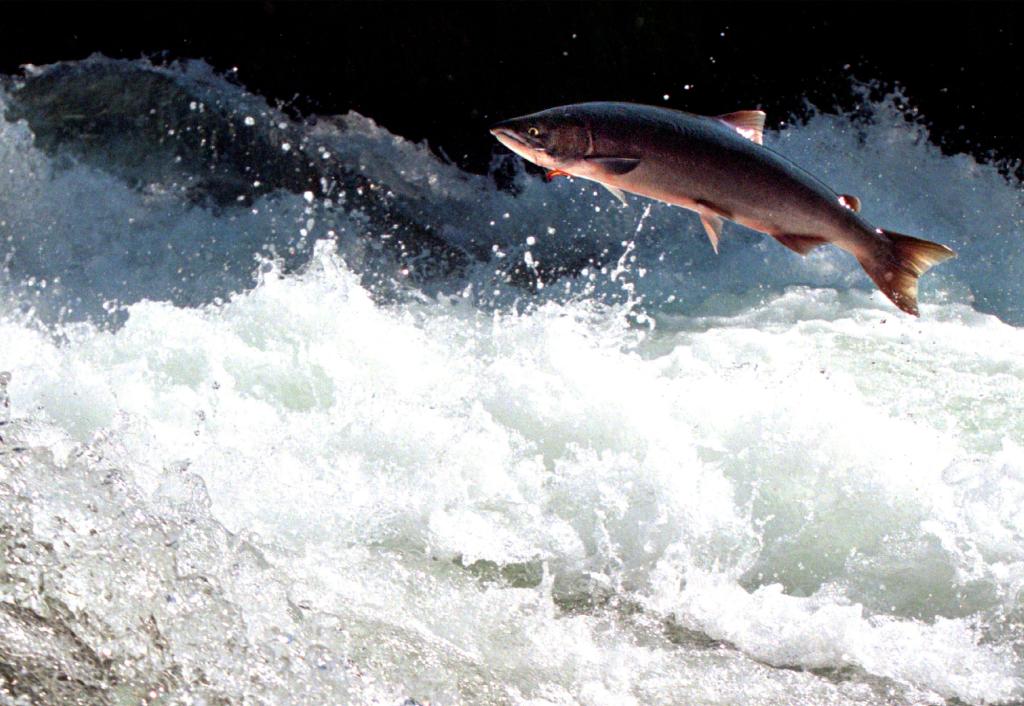
A Sodkee salmon jumps out of the water on Friday, July 5, 2002, while trying to navigate the falls of the Russian river near Cooper Landing, Alaska.
A new study found that wild salmon is swimming faster due to analgesics and other drugs of bees thrown into the ocean and rivers. AP Photo/Peninsula Clarion, M. Scott Moon

They warned that their findings, published in the Science magazine, may seem beneficial, but any change in natural behavior and ecology of a species probably has broader negative consequences.

Dr. Marcus Michelangeli, or the Australian Institute of Rivers of the University of Griffith, emphasized the growing threat of pharmaceutical pollution to wildlife and ecosystems around the world.


Kokanee's mature salmon spawning in Taylor Creek, near Lake Tahoe, California, with beaver dams destroyed in the background
Researchers are concerned that change in behavior will negatively affect the species. Zumapress.com

He said: “Pharmaceutical pollutants are an emerging global problem, with more than 900 different substances that have now been detected in river roads around the world.

“Or private concern are psychoactive substances such as antidepressants and pain medications, which can significantly interfere with the function and behavior of the brain of wildlife.

Michelangeli said that the “real world” studies approach distinguishes it from previous research.

He said: “Most previous studies that examine the effects of pharmaceutical pollutants in wildlife have been carried out under controlled laboratory conditions, which are not dedicated to capture the complexities of natural environments.

“This study is unique because it investigates the effects of these pollutants in wildlife directly in the field, which allows us to better understand how exposure affects the behavior and migration of wildlife in a natural context.

Start and end your informed day with our newsletters

Morning report and night update: its source of today’s main stories

Thanks for registering!

“While the increase in the success of migration in the salmon exposed to CLOBAZAM may seem a beneficial effect, it is important to realize that any change in the natural behavior and the ecology of a species is expected to have a negative braler to both.

The researchers used innovative pharmaceutical implants of slow release and animal monitoring transmitters to monitor how exposure to clobazam and the tram of opioid analgesics affected the behavior and migration of salmon of youth salmon.

A monitoring laboratory experiment also discovered that the altered shaling behavior of CLOBAZAM, indicating that the migration changes observed in nature can be the result of drug -induced changes in social dynamics and the risk of risk taking.

But Michelangeli says that predicting the total scope of the impacts is still “challenging.”

He said: “When considering realistic exposure scenarios in which whole ecosystems are exposed, in multiple species and a diversity of pollutants, the possible consequences become equally more complex.”

While the recent decreases in the number of salmon of the Atlantic are mainly attributed to overfishing, habitat loss and fragmentation, which leads to its “endangered” state, the research team said that the findings highlight how the pharmaceutical polder could.

Michelangeli says that many pharmaceutical products persist in the environment due to bad biodegradability and insufficient wastewater treatment.

But he added: “Advanced wastewater treatment methods are becoming more effective in reducing pharmaceutical pollution, and there is a promising potential in green chemistry approaches.

“When designing medications that break down more quickly or become less harmful after use, we can significantly mitigate the environmental impact of pharmaceutical pollution in the future.”

Previous ArticleI had a mystery rash for 16 years — after I quit my bad habit, it vanished in just two days
Next Article Justin Bieber fans go wild over ‘hidden’ photo of baby Jack Blues

Related Posts

Trump is suing The New York Times, saying he’s ready to fight the Radical Left Media.

September 17, 2025

Erika Kirk Speaks Out: Grief, Strength, and a Divided US.

September 13, 2025

President Orders Flags Lowered to Honor Charlie Kirk.

September 11, 2025
Top Posts

Bliss Heers: A Story Still Being Written

December 16, 2025

THE RUNNING DAD WHO INSPIRED A COMMUNITY

December 13, 2025

From Passion to Purpose: The Inspiring Life Journey and Success Story of Evan Barbosa

December 13, 2025

Leslie Kritzer, Co-Founder of Skin Worship, on Building a Brand Rooted in Devotion, Resilience, and Skin Wisdom

December 12, 2025

LESLIE KRITZER: THE SKIN WARRIOR BEHIND SKIN WORSHIP A JOURNEY OF BEAUTY, RESILIENCE & WHOLE-SELF WELLNESS

December 12, 2025

Unbroken Spirit: The Life Journey and Triumph of Monica Seles

December 12, 2025

Discover breaking news, trends, and expert insight every day. Politics, economics, entertainment, and more are covered live by USA Daily Hunt. Receive daily updates on the world's most significant happenings
We're social. Connect with us:

  • Sports
  • Athlete
  • Coach
  • Health
  • Beauty cosmetics
  • Fitness trainer
  • Doctor
  • Plastic surgeon
  • USA
  • World
  • Finance
  • Politics
  • Science
  • Business
  • CEO
  • Founder
  • Journalist
  • Realtor
  • Entrepreneur
© 2017-2025 USA Daily Hunt. All Rights Reserved.
  • USA
  • World
  • Finance
  • Politics
  • Science

Type above and press Enter to search. Press Esc to cancel.