


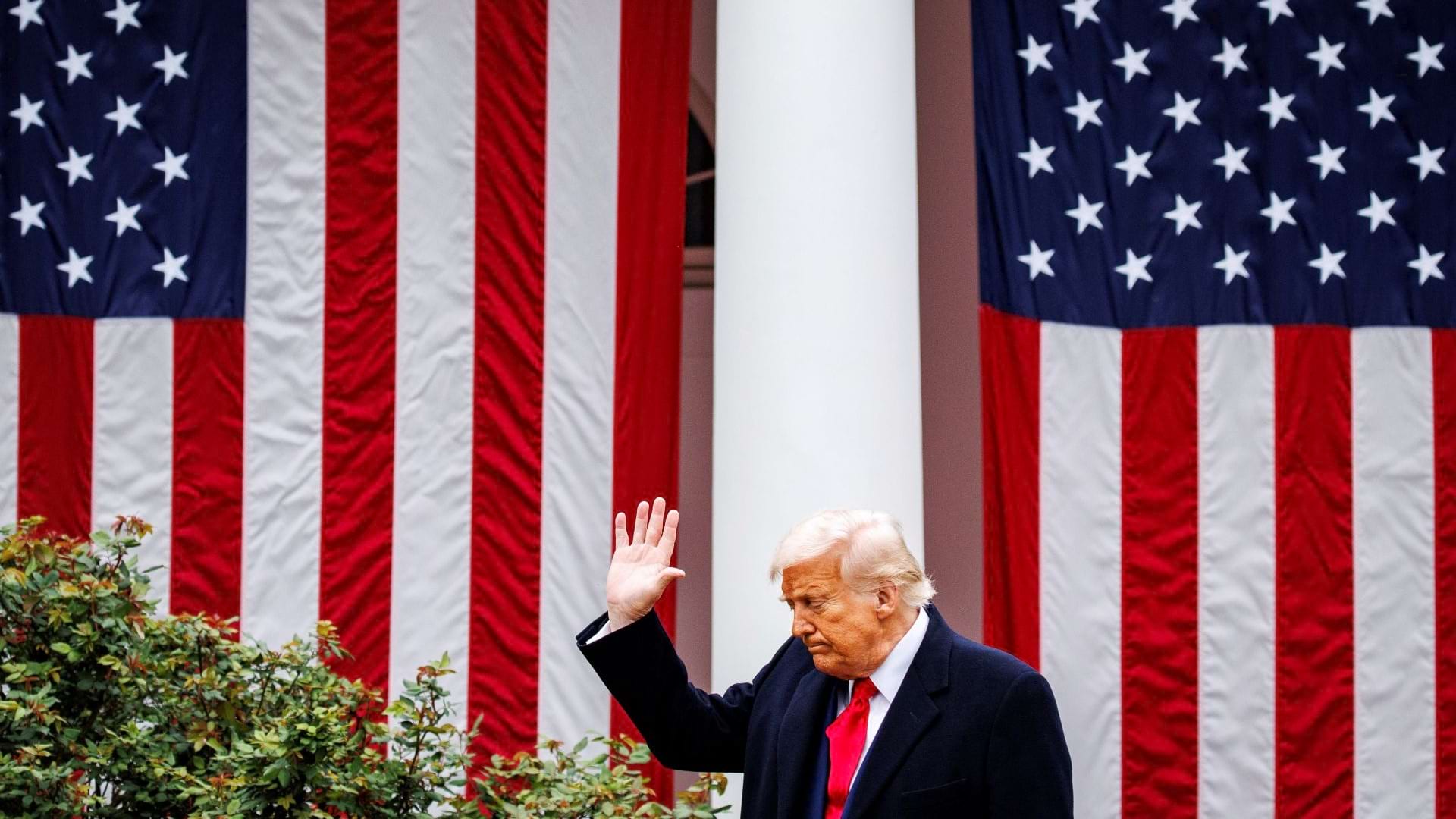
The reputation of the United States is triggered. At least, that seems to be the predominant opinion at this time. “Trump is a reputation from the United States,” exclaimed an opinion article recently at the Wall Street Journal. “Trump’s erratic policy is damaging the reputation of US assets,” said The Economist’s head. And writing for the conversation, Steve Dunne of the University of Warwick observed: “In the first 100 days of his second term, Trump … has devastated, perhaps irreply, the economic confidence in the United States.”
The central idea in such statements is that the behavior of the president of the United States, Donald Trump, since the beginning of his second term has undermined the role of the United States as a source of global stability and has caused the country to renounce the mantle of global leadership. To determine if this is really the case, it is worth going back to reflect on how and if the reputation plays a role in international affairs.
Reputation has been affirmed as an important factor to understand if governments will honor the obligations to pay the sovereign debt, defend commitments to allies, not retreat in a crisis, or simply behave cooperatively. In general, cooperation is commonly framed as positive for the reputation of a country: a typical does not say that a state of Paria, such as North Korea, has ruined its reputation when it began to cooperate.
]