


The Omicron XBB.1.5 variant of COVID-19 is more likely to infect individuals who have been vaccinated, as well as those with natural immunity, according to New York City health officials.
“Omicron subvariant XBB.1.5 now accounts for 73 percent of all sequenced COVID-19 cases in NYC. XBB.1.5 is the most transmissible form of COVID-19 that we know of to date and may be more likely to infect people who have been vaccinated or already had COVID-19,” the NYC Department of Health and Mental Hygiene wrote on Twitter on Jan. 13.
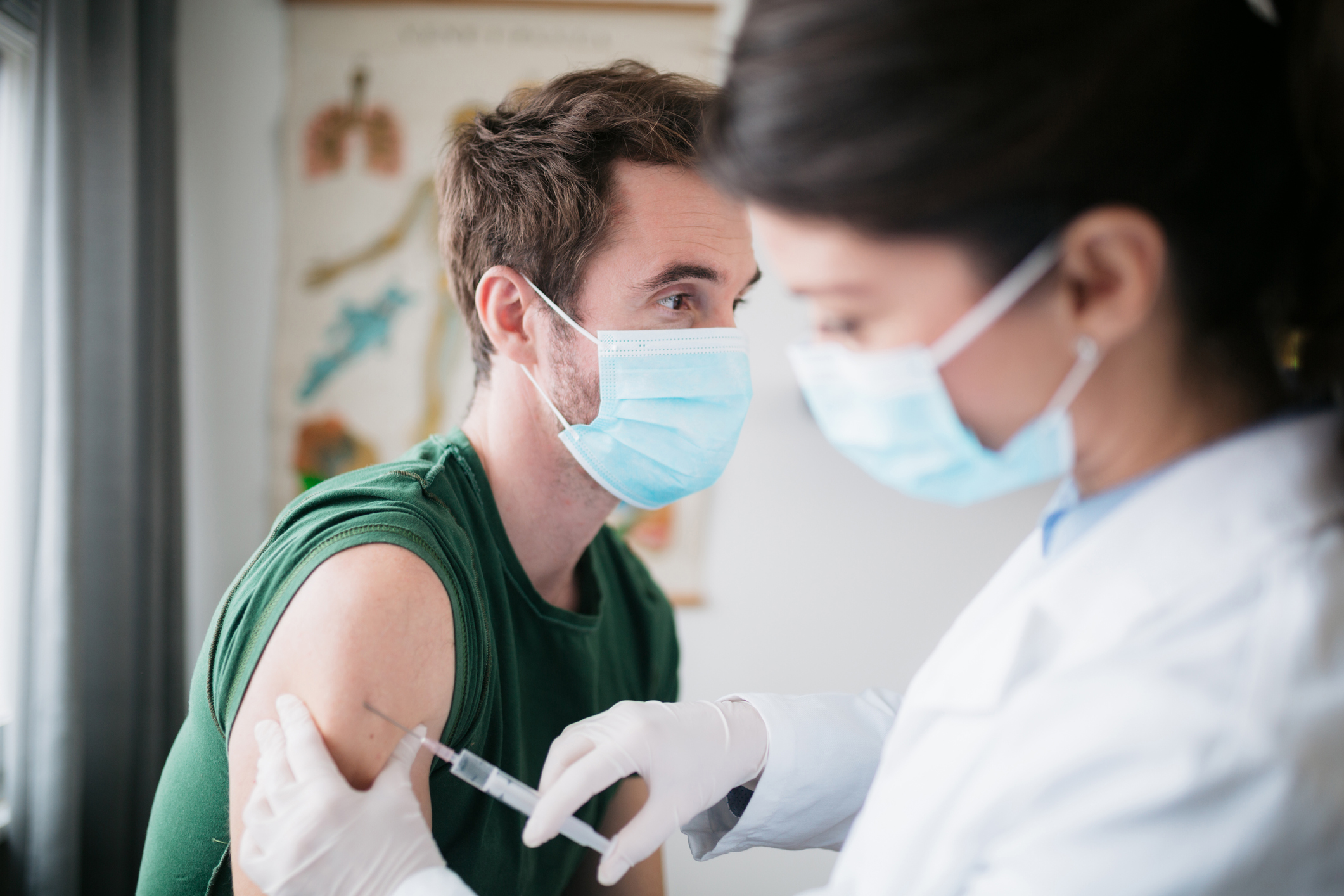
The department urged New Yorkers to get vaccinated and receive the updated COVID-19 booster shot, stating that doing so “is still the best way to protect yourself from hospitalization and death from COVID-19, including from these new variants.”
However, although there has been a surge in XBB.1.5 cases, the WHO has stated that the variant does not have any mutations known to increase the severity of the virus in individuals.
The XBB.1.5 variant is quickly becoming the dominant subvariant in the United States. Data from the Centers for Disease Control and Prevention (CDC) show that XBB.1.5 accounted for an estimated 43 percent of COVID-19 cases in the country for the week ending Jan. 14.
World Health Organization (WHO) Director-General Tedros Adhanom Ghebreyesus said earlier this month that the subvariant is on the rise in the United States and Europe and has now been identified in more than 25 countries.
The subvariant has now overtaken the BQ.1.1 subvariant, which was first identified in September, and which now accounts for an estimated 28.8 percent of cases in the country, according to CDC data.
XBB.1.5 Unlikely to Increase Severity
Although there has been a surge in XBB.1.5 cases, the WHO has stated that the variant does not have any mutations known to increase the severity of the virus in individuals.
In a risk assessment (pdf) published on Jan. 11, the health body said that XBB.1.5, based on its genetic characteristics and early growth rate estimates, may contribute to a surge in cases around the world but it “does not carry any mutation known to be associated with potential change in severity.”
Barbara Mahon, head of the CDC’s proposed Coronavirus and Other Respiratory Viruses Division, also on Jan. 6 that there is no suggestion that XBB.1.5 is more severe than previous strains of Omicron.
The WHO in its risk assessment did, however, note that “the overall confidence in the assessment is low” owing to a lack of data on the subvariant, most of which come from the United States, and said that more data and laboratory testing is needed to know for sure how severe the subvariant is.
The health body also noted that XBB.1.5 is one of the COVID-19 subvariants that is most resistant to antibodies acquired from vaccination or previous infection.
According to the CDC, approximately 666,511,603 vaccine doses have been administered in the United States, of which 268,556,888 people have received at least one dose of the vaccine and 229,359,062 have completed the primary series of vaccinations.
Vaccine Effectiveness Only Lasts 3 Months
Additionally, 15.9 percent of the U.S. population aged 5 and over have received the updated bivalent booster shot.
In an interview with Science News on Jan. 13, infectious diseases specialist Peter Chin-Hong of the University of California, San Francisco, stated that vaccinations are likely to provide just three months of protection against the XBB.1.5 variant of COVID-19.
“The new updated boosters generally work a little better than the old vaccines in terms of overall efficacy and preventing infection. But with these new slippery variants like XBB.1.5 … if you’re looking to prevent infections, even a mild infection, the vaccines are probably going to last maybe three months,” Chin-Hong said.
“But if you’re talking about preventing me from dying or going to the hospital, those vaccines are going to give me a boost of protection for many, many months, probably until next winter for most people. For older people, older than 65, if they’re not boosted today, then it’s a problem,” the infectious diseases specialist added.
In an updated post on Jan. 18, the NYC Department of Health and Mental Hygiene stated that XBB.1.5 “may be more likely to infect people who have been vaccinated or previously had COVID-19 compared to prior variants.”
“Vaccination is still the best way to protect against hospitalization and death from COVID-19, including from these new variants,” which include BA.5, BA.2.75, BQ.1, BQ1.1, and XBB, as well as XBB.1.5.