Close Menu
Keep Up with USA Daily Hunt UpdatesKeep Up with USA Daily Hunt Updates
  • Home
  • USA
  • World
  • Business
    • CEO
    • Realtor
    • Founder
    • Entrepreneur
    • Journalist
  • Health
    • Doctor
    • Plastic surgeon
    • Beauty cosmetics
  • Sports
    • Athlete
    • Coach
    • Fitness trainer
    • Entertainment
  • Finance
  • Politics
  • Science
Thursday, January 29
Trending
  • Billy Calderón: From Physique Champion to National Fitness Icon and Media Presenter
  • From Rural Roots to Rising with Dignity: The Journey of Kiran
  • Jennifer of Adored Salon: A Journey Rooted in Beauty, Confidence, and Care
  • Troy Payne Joins Global Creators at the 1 Billion Followers Summit in Dubai in the Creator Economy, Dubai, UAE, January 2026:
  • Isabella Kotsias: From Self-Made Creator to Business Educator for the Masses
  • Jus Chase: Crafting His Own Path in Music and Beyond
  • Rami Raidan: From Passionate Learner to Digital Marketing Strategist for Coaches
  • Naylor Nichols: Crafting Influence Through Vision, Resilience & Authenticity
Keep Up with USA Daily Hunt UpdatesKeep Up with USA Daily Hunt Updates
  • Home
  • USA
  • World
  • Business
    • CEO
    • Realtor
    • Founder
    • Entrepreneur
    • Journalist
  • Health
    • Doctor
    • Plastic surgeon
    • Beauty cosmetics
  • Sports
    • Athlete
    • Coach
    • Fitness trainer
    • Entertainment
  • Finance
  • Politics
  • Science
Keep Up with USA Daily Hunt UpdatesKeep Up with USA Daily Hunt Updates
Home » News » U.S. Stops Sharing Embassy Air Quality Data, Raising Global Health Concerns
Editor's Pick

U.S. Stops Sharing Embassy Air Quality Data, Raising Global Health Concerns

adminBy admin Editor's Pick
Share
Facebook Twitter LinkedIn Pinterest Email

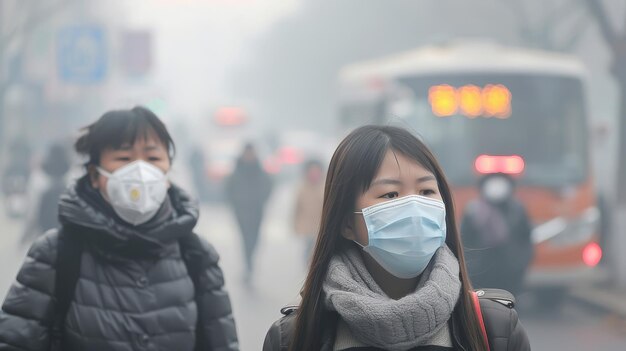
The U.S. State Department has officially stopped sharing air quality data from its embassies worldwide, a move that has left scientists, public health experts, and citizens worried about the future of environmental transparency. For years, embassy-operated monitors provided reliable, real-time information on fine particulate pollution (PM2.5) in countries where local monitoring was limited, inconsistent, or unavailable.

Now, the sudden halt has raised serious questions about public health and access to information in some of the world’s most polluted cities.

Why Embassy Air Quality Data Was So Important

Air pollution is a silent killer. According to the World Health Organization (WHO), approximately 7 million people die every year from illnesses linked to polluted air. Tiny particles known as PM2.5 found in vehicle emissions, industrial smoke, and dust pose the greatest risk because they can penetrate deep into the lungs and bloodstream.

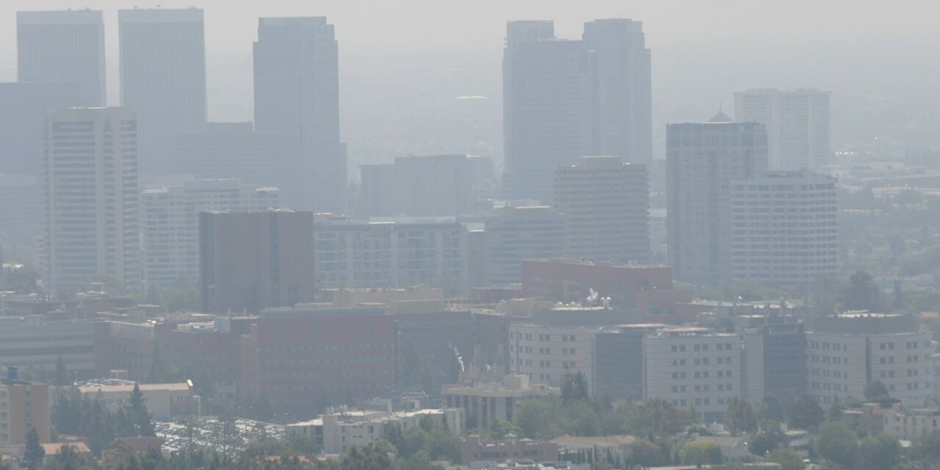
For many countries, U.S. embassy monitors were the only reliable source of air quality information. Cities like Beijing, New Delhi, and Bogotá often relied on this data to alert citizens about dangerous smog levels. In fact, U.S. embassy readings in China once pressured local authorities to acknowledge the severity of their air pollution crisis, sparking new policies for cleaner air.

The Global Impact of the Decision

By shutting down the program, countries across Asia, Africa, and Latin America now face a critical information gap.

 In India, public health experts say losing the U.S. monitors makes it harder to track toxic air spikes and protect vulnerable populations.

In Colombia, researchers fear they no longer have a trusted reference point to compare with local government reports.

In Africa, where many cities lack proper air monitoring infrastructure, the data loss could mean millions left unaware of the dangers around them.

Without embassy data, citizens and researchers may have to rely solely on local monitoring systems, which are sometimes unreliable or politically influenced.
Why Did the U.S. End the Program?

The official explanation points to budget constraints. Embassy monitors required regular maintenance, and the State Department decided the costs outweighed the benefits.

However, critics argue the program was relatively inexpensive compared to its global value. It provided transparency, credibility, and life-saving information for only a fraction of what governments routinely spend on other programs.

Could This Push Countries Toward Self-Reliance?

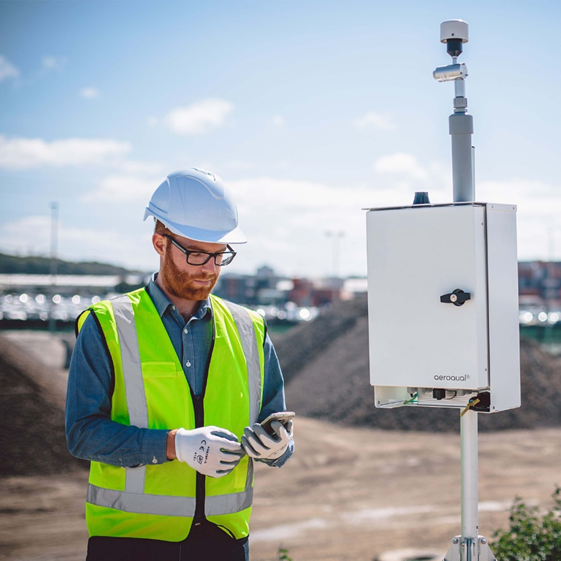
Some experts see a potential silver lining. By removing U.S. embassy data, governments may feel more pressure to invest in their own independent monitoring networks. Building local capacity could lead to stronger, more sustainable systems in the long run.

Still, environmental advocates say the short-term effects are severe. Without accurate, publicly available air quality readings, millions of people will be left in the darkl iterally breathing the problem without knowing how bad it is.
Air pollution doesn’t wait for policy decisions. It continues to harm health, reduce life expectancy, and strain economies. The end of U.S. embassy air quality data sharing is more than just a policy shift it’s a global public health setback.

For citizens who depended on that information, the question remains: who will fill the gap?

Until stronger local systems emerge, the world may be left struggling to fight an invisible threat without the data to see it clearly.

Previous ArticleThe Redistricting War Between Texas and California Is About to Jolt the Midterms
Next Article Israel Strikes Houthis in Yemen: Missile Bases and Energy Hubs Hit Amid Rising Tensions

Related Posts

Leslie Kritzer, Co-Founder of Skin Worship, on Building a Brand Rooted in Devotion, Resilience, and Skin Wisdom

December 12, 2025

Katie Mischenko: The Heart and Soul Behind Katie’s Corgis (VKM Farmstead)

November 9, 2025

How a Model, Mother and Modern Storyteller is Redefining Success Through Purpose, Adventure and Authentic Living

November 1, 2025
Top Posts

Billy Calderón: From Physique Champion to National Fitness Icon and Media Presenter

January 26, 2026

From Rural Roots to Rising with Dignity: The Journey of Kiran

January 24, 2026

Jennifer of Adored Salon: A Journey Rooted in Beauty, Confidence, and Care

January 12, 2026

Troy Payne Joins Global Creators at the 1 Billion Followers Summit in Dubai in the Creator Economy, Dubai, UAE, January 2026:

January 11, 2026

Isabella Kotsias: From Self-Made Creator to Business Educator for the Masses

January 9, 2026

Jus Chase: Crafting His Own Path in Music and Beyond

January 9, 2026

Discover breaking news, trends, and expert insight every day. Politics, economics, entertainment, and more are covered live by USA Daily Hunt. Receive daily updates on the world's most significant happenings
We're social. Connect with us:

  • Sports
  • Athlete
  • Coach
  • Health
  • Beauty cosmetics
  • Fitness trainer
  • Doctor
  • Plastic surgeon
  • USA
  • World
  • Finance
  • Politics
  • Science
  • Business
  • CEO
  • Founder
  • Journalist
  • Realtor
  • Entrepreneur
© 2017-2026 USA Daily Hunt. All Rights Reserved.
  • USA
  • World
  • Finance
  • Politics
  • Science

Type above and press Enter to search. Press Esc to cancel.