


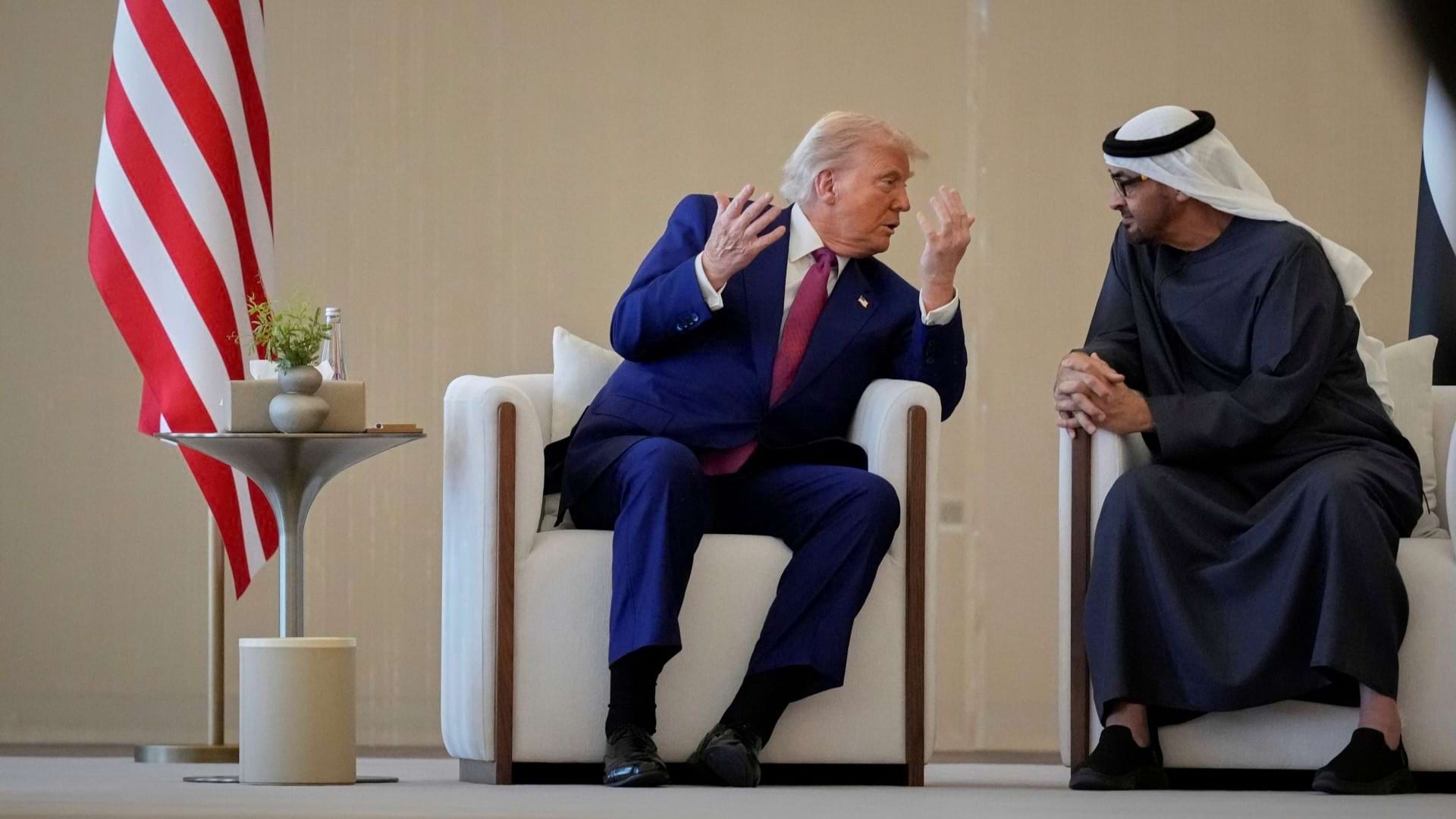
Last week, the president of the United States, Donald Trump, Tok, a four -day tour of three Gulf monarchies: Saudi Arabia, Qatar and the United Arab Emirates. One of those nations, Saudi Arabia, has long been a special partner, if not a formal ally, of the United States. The other two are also economic and security partners of the United States in the region.
Many noticed a key country from the Middle East, not in Trump’s travel list: Israel. As the frida ghitis commented in the WPR column last week, “what used to be Lovefest has become cold, making the Israelis nervous about what is behind the change and what it presages.” Similarly, Emma Ashford observed how, although Trump states that Israel would not have a best friend than him, “after all, it seems clearer and clearer than ‘America First’ may not have an exception for Israel.”
While it is worth noting the absence of Israel of the Trump itinerary, it was likely not to be an intentional breakdown. Israel is still among the main recipients of US military aid. The Israeli prime minister, Benjamin Netanyahu, was still the first leader to visit the White House after Trump returned to the presidency. And according to recent accounts, it seems that Trump is still intended to move forward with a plan for the United States to play a role in the government and reconstruction of Gaza once Israel has completed its military operations and “conquered” the territory. Moreoover, in his visits to the Gulf capitals, Trump made his desire to normalize relations with Israel by signing in Abraham’s agreements, possibly the achievement of the foreign policy of his first mandate.
]